
Short-Term Rental Property Management
Lessons From Managing a Cabin in Blue Ridge for 15+ Years
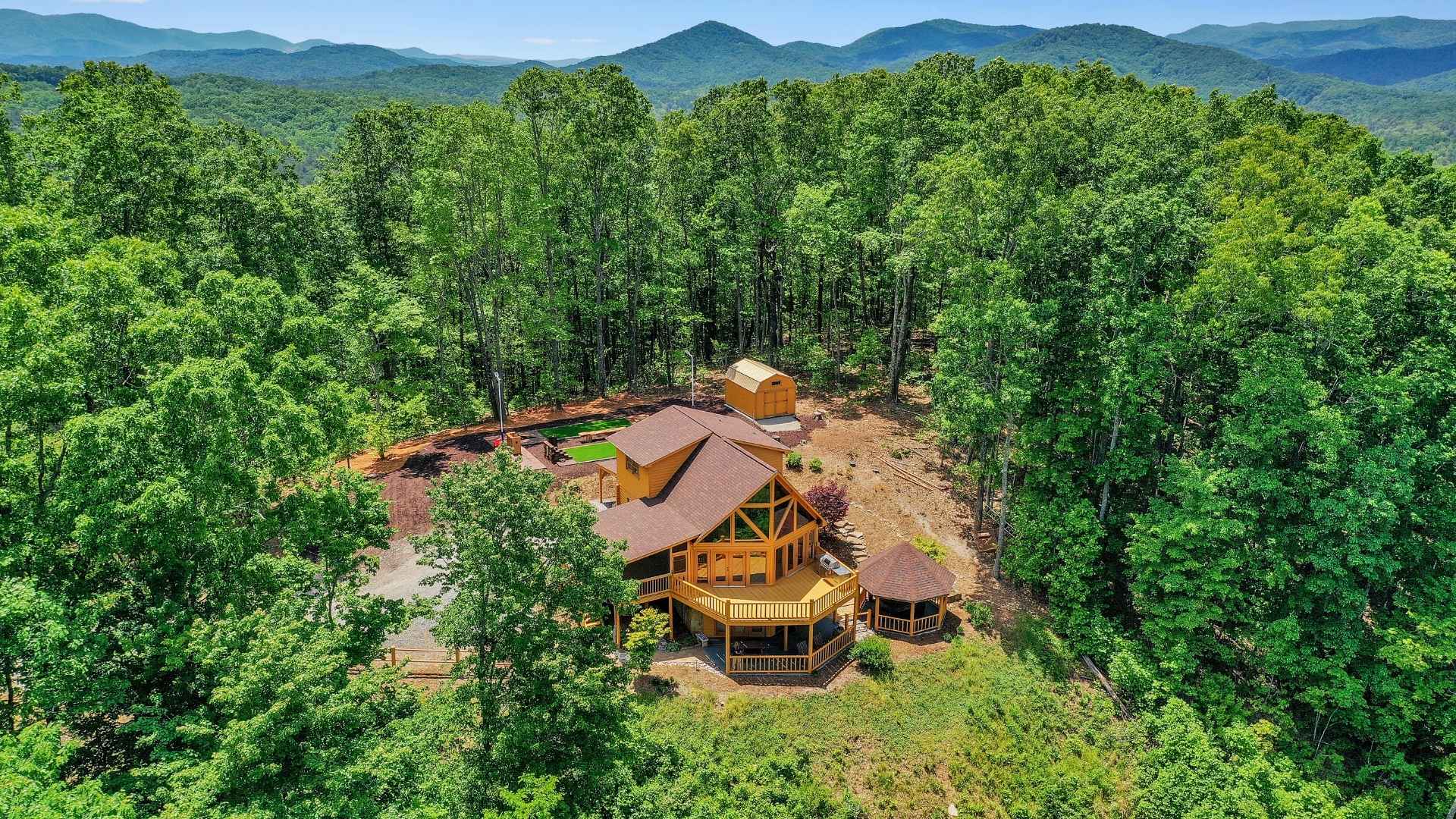
Managing a short-term rental looks simple from the outside: a guest books a property, checks in, enjoys the stay, checks out, and leaves a review. But anyone who has owned or managed a vacation rental knows there is a lot happening behind the scenes.
Cleanings have to be coordinated. Maintenance has to be handled quickly. Guest communication has to be clear and on time. The property has to feel welcoming, safe, and well cared for every time someone arrives.
A short-term rental is not just a real estate asset. It is an experience.
When managed well, it can create income, preserve property value, support local tourism, and give guests a place where they want to return. When managed poorly, small issues can quickly become bad reviews, higher costs, and unnecessary stress.
Below are some of the lessons we have learned from years of managing a short-term rental property in North Georgia.
1. Start With the Guest Experience
The best short-term rental properties are not only clean and functional. They feel easy.
Guests want to arrive without confusion. They want clear directions, simple check-in instructions, reliable access codes, good Wi-Fi, clean bathrooms, comfortable beds, working appliances, and a property that looks like the listing photos.
That may sound basic, but those basics are what create trust.
Before thinking about upgrades, marketing, or pricing, property owners should walk through the experience from the guest’s point of view:
- Is the driveway easy to find?
- Are the check-in instructions clear?
- Does the entry feel welcoming?
- Is the property well lit?
- Are common questions answered before the guest has to ask?
- Does the cabin feel clean, stocked, and ready?
- Are the amenities enough to keep guests entertained?
A good guest experience often comes from removing friction.
The fewer things a guest has to figure out, the better the stay usually feels.
2. Cleanliness Is Non-Negotiable
For short-term rentals, cleaning is one of the most important parts of the business.
Guests may forgive a cloudy day or a restaurant being closed, but they rarely forgive a property that does not feel clean. A clean property signals that the owner cares. It also protects the value of the home.
The key is having a reliable cleaning process, not just a reliable cleaner.
Your cleaning crew is often the first person to notice when something is broken, missing, stained, or wearing out. Treating the cleaning team as part of the property management team, not just a vendor, makes a big difference.
3. Maintenance Should Be Preventive, Not Reactive
In a mountain cabin or vacation rental, small issues can become expensive quickly.
A loose handrail, a leaking faucet, a slow drain, a broken remote, or a fireplace issue may seem minor, but for a guest who is only staying a few nights, it can affect the entire experience.
Good short-term rental property management includes regular preventive maintenance.
That means checking:
- HVAC systems
- Plumbing
- Appliances
- Decks and railings
- Fireplaces
- Hot tubs
- Outdoor lighting
- Pest control
- Internet and TV systems
- Smoke detectors and safety equipment
The goal is to catch problems before a guest does.
This is especially important in areas where weather, terrain, trees, wildlife, and seasonal demand can all affect a property.
4. Communication Matters More Than People Think
Good communication does not mean overwhelming the guest. It means giving the right information at the right time.
A guest should know:
- How to get there
- How to check in
- Where to park
- How to use key amenities
- What to do if something goes wrong
- What is expected at checkout
The tone matters too. Short-term rental communication should be professional, warm, and clear. Guests should feel that someone is available if needed, without feeling watched or micromanaged.
A good message before arrival can prevent multiple questions later. A thoughtful message during the stay can make guests feel cared for. A clear checkout message can make turnovers smoother.
Hospitality is often built in the small details.
5. Local Knowledge Adds Value
One advantage of managing a short-term rental in a destination like Blue Ridge is that guests are often looking for more than a place to sleep.
They want to know where to eat, what to do, where to hike, where to shop, where to take kids, and how to experience the area.
A strong short-term rental should help guests enjoy the destination.
This can be done through:
- A simple digital or printed guest guide
- Restaurant recommendations
- Local activity suggestions
- Seasonal tips
- Emergency contacts
- House instructions
- Notes about local rules or conditions
For cabin guests, details like where to buy extra firewood, how to handle mountain roads, when to book activities, or what to expect in different seasons can be very helpful.
The more useful the property feels, the more memorable the stay becomes.
Final Thoughts
Short-term rental property management is not just about listing a home online. It is about stewardship. It is about caring for the property, anticipating guest needs, building reliable systems, and creating an experience that reflects well on both the home and the community around it.
A well-run rental is clean, responsive, honest, well-maintained, and rooted in hospitality. That is what guests remember. And over time, that is what protects the investment.